

The signs of a prayer warrior become visible in a life of faith, persistence, and love for others. In my years of ministry, I have watched God answer prayer in ways only He could.
I saw Him provide a job for a young woman who had been out of work. I saw Him fill my empty cupboards when I was pastoring in Antigua. I saw Him set a meal before visiting church leaders in Guyana when I had no way to provide one.
In 38 years of ministry, I have learned that behind moments like these, there is almost always someone who refused to stop praying. That is a prayer warrior: a believer who treats prayer as their first response, not their last resort.
The good news is that this is not a calling reserved for a few spiritual giants. It is open to every Christian, and the qualities that mark a prayer warrior can be learned, practiced, and grown.
These testimonies encourage me, but faithful prayer does not always bring the outcome we hope for. If you are still waiting for work, provision, or healing, that does not mean your faith has failed. Paul prayed for relief and received sustaining grace instead (2 Corinthians 12:7–10). We can bring God both our needs and our disappointment.
As you read these 13 signs of a prayer warrior, notice where you are growing and choose one area to practice this week. At the end, you will find a simple checklist, a prayer, and your next step.
What Is a Prayer Warrior?
A prayer warrior is a Christian who prays faithfully, fervently, and persistently, especially for others. The phrase is not in the Bible word for word, but the idea runs from Genesis to Revelation.
The “warrior” language comes from Ephesians 6, where Paul says our struggle is “not against flesh and blood” (v. 12). After describing the armor of God, he tells us to pray “always with all prayer and supplication in the Spirit” (v. 18, KJV). Prayer is how believers fight.
Abraham interceded for Sodom. Moses stood in the gap for Israel. Daniel prayed three times a day under threat of death. And Jesus Himself “ever liveth to make intercession” for us (Hebrews 7:25, KJV).

13 Signs of a Prayer Warrior and How to Grow in Each One.
1. Unshakeable Faith in God.
When I was pastoring in Antigua, there were times I had no money and the cupboards were empty. On two separate occasions, the Lord sent two sisters to my door with food. They were not members of my church, yet God sent them all the same.
I had nothing in my hands, but God had not forgotten me. Faith is not trusting what we can see in the cupboard. It is trusting the One who fills it.
That is the faith of a prayer warrior. Hebrews 11:6 says whoever comes to God “must believe that he is, and that he is a rewarder of them that diligently seek him” (KJV). It is not confidence in the right words, but trust in God’s character: His goodness, His power, and His faithfulness.
Try this today: Write down one need you have been worrying about. Beneath it, write one thing you know is true about God. Pray over both.
2. A Deep, Personal Relationship With God.
Do you talk to God only when you need something? For a prayer warrior, prayer is conversation with a Father, not a ritual or a wish list.
Jesus invited us to pray to “thy Father which is in secret” (Matthew 6:6, KJV). The Lord spoke to Moses “face to face, as a man speaketh unto his friend” (Exodus 33:11, KJV). Powerful prayer for others grows out of that kind of private closeness with God.
Brother Lawrence, a 17th-century Carmelite lay brother, described talking with God while working in a monastery kitchen. His account of prayer during everyday work shows how ordinary tasks can become occasions for fellowship with God. Intimacy with God is possible in the most ordinary moments of your day.
Try this today: Spend five minutes in prayer without asking for anything. Simply thank God and tell Him you love Him.
3. Persistence and Perseverance.
“men ought always to pray, and not to faint” (Luke 18:1, KJV)
Jesus told the parable of the persistent widow for one reason: so we would not give up. Prayer warriors keep asking, seeking, and knocking long after others have stopped.
Elijah persisted in prayer while sending his servant to look toward the sea seven times before the small cloud appeared (1 Kings 18:42–45; James 5:17–18). In the fourth century, a mother named Monica prayed for years for her wayward son, Augustine. He recalled his mother’s tears and prayers in his Confessions (Book III, chapters 11–12). He came to faith and became one of the most influential teachers in church history.
Some answers come in days. Other requests remain unresolved for years. Prayer warriors keep turning to God while submitting their hopes to His will.
Try this today: Pick one request you have stopped praying about. Pray for it again today.
4. Rooted in the Word of God.

When I pastored in Guyana, I helped a lady in our church memorize Scripture. Verses hidden in the heart have a way of becoming prayers on the lips, and the Word gives us the language to pray with confidence.
The Bible reveals God’s will, and 1 John 5:14 promises that when we ask according to His will, He hears us. That is why prayer warriors pray Scripture back to God, turning His promises into their petitions.
Jesus answered every temptation in the wilderness with “It is written” (Matthew 4:1–11). If the Son of God prayed and fought with Scripture, so should we.
Try this today: Choose one promise from Scripture and pray it back to God in your own words.
5. Humility.
Two men went up to the temple to pray. One listed his good deeds. The other would not even lift his eyes and prayed, “God be merciful to me a sinner” (Luke 18:13, KJV). Jesus said the humble man went home justified.
A prayer warrior knows the power belongs to God, not to the one praying. “God resisteth the proud, but giveth grace unto the humble” (James 4:6, KJV). Humility keeps us from praying to be seen, keeps us quick to confess sin, and keeps us grateful rather than boastful when prayers are answered.
Every church has hidden prayer warriors: quiet saints who pray faithfully every morning and never seek credit. Much of the church’s strength rests on their knees.
Try this today: Pray for someone today without telling anyone you did.
6. A Heart for Intercession.

“God forbid that I should sin against the LORD in ceasing to pray for you.” (1 Samuel 12:23, KJV)
Samuel saw prayer for others not as a kindness but as a duty. Prayer warriors carry other people’s burdens to God: family, friends, churches, nations, the sick, the lost, and even their enemies (1 Timothy 2:1).
Their prayer lists are long because their love is wide. John Hyde, a missionary to India, became known as “Praying Hyde” for his extended intercession. The Christian History Institute describes his long hours of prayer for the church in India and its workers.
Try this today: Write down three people who need prayer, including one who is hard to love. Pray for each by name.
7. Spiritual Discernment.
An enemy army surrounded the city, and Elisha’s servant panicked. Elisha simply prayed, “LORD, I pray thee, open his eyes, that he may see” (2 Kings 6:17, KJV). Suddenly the servant saw the hills full of horses and chariots of fire.
Prayer warriors ask God to open their eyes, too. They ask for wisdom (James 1:5) and learn to see what is happening beneath the surface. Discernment helps them pray with precision instead of vague generalities, and it guards them against deception (1 John 4:1).
When someone comes to mind, you can pray for them and, when appropriate, reach out. A sudden thought or feeling is not automatically a message from God. Test impressions against Scripture (1 John 4:1), seek wise counsel, and avoid assuming that every difficulty is a spiritual attack.
Try this today: Before you pray, ask God for wisdom, read a relevant passage of Scripture, and pause to reflect. Let what God has revealed guide your requests.
8. A Forgiving Spirit.
After the Second World War, Corrie ten Boom came face to face with a former guard from Ravensbrück, the concentration camp where her sister had died. He asked for her forgiveness. In her own account published by Guideposts, she described praying for help, taking his hand, and experiencing God’s love.
Jesus connects prayer with our willingness to forgive. We can bring Him even our struggle to let go of an offense. Jesus said, “when ye stand praying, forgive, if ye have ought against any” (Mark 11:25, KJV).
Prayer warriors ask God for help to release offenses rather than nurture bitterness (Hebrews 12:15). Forgiveness can be a repeated, difficult act of obedience. Like Stephen, who prayed for the men stoning him (Acts 7:60), we can learn to pray for those who hurt us.
Forgiveness does not excuse harm, remove accountability, or require immediate trust or reconciliation. It does not mean remaining in an unsafe situation. You can forgive while maintaining wise boundaries and seeking support.
Try this today: Name one person you are holding something against. Ask God for grace to release it, and pray a blessing over them.
9. A Life of Praise and Thanksgiving.
It was midnight in a Philippian jail. Paul and Silas had been beaten and chained, yet they were praying and singing hymns. Suddenly an earthquake shook the prison, and the doors flew open (Acts 16:25–26).
Prayer warriors do not only ask; they praise. Philippians 4:6 tells us to bring our requests “with thanksgiving” (KJV). Praise shifts our eyes from the size of the problem to the greatness of God.
Try this today: Before your next request, thank God for three things He has already done for you.
10. Obedience and Holy Living.
A prayer warrior’s private life matches their prayer life. Psalm 66:18 warns, “If I regard iniquity in my heart, the Lord will not hear me,” while James 5:16 says “The effectual fervent prayer of a righteous man availeth much” (KJV).
This is about direction, not perfection. Prayer warriors pursue holiness, repent quickly, and obey what God has already shown them. As a young man in Babylon, Daniel “purposed in his heart that he would not defile himself” (Daniel 1:8, KJV). Later, Daniel continued praying despite the king’s decree, and God sent His angel to shut the lions’ mouths (Daniel 6:10, 22). His deliverance was God’s work, not a reward he could earn.
Try this today: Ask God, “Is there anything I need to make right?” Do the first thing He brings to mind.
11. Led by the Holy Spirit.
Here is a comforting confession from Scripture: “we know not what we should pray for as we ought” (Romans 8:26, KJV). But the verse continues: the Spirit Himself intercedes for us.
Prayer warriors depend on the Holy Spirit rather than their own understanding. They pay attention to His promptings to pray for a certain person or situation, sometimes at unexpected hours.
While Peter prayed on a rooftop in Joppa, the Spirit gave him a vision and sent him to the house of Cornelius, opening the gospel to the Gentiles (Acts 10:9–20). One act of Spirit-led obedience in prayer changed the course of history.
Try this today: When someone comes to mind unexpectedly today, stop and pray for them right then.
12. Equipped With the Armor of God.
Daniel prayed and fasted for three weeks with no visible answer. Then an angel arrived and explained that he had been resisted for 21 days by “the prince of the kingdom of Persia” (Daniel 10:12–13). The battle had been real all along.
Prayer warriors understand that spiritual warfare is real, and they prepare for it. Ephesians 6:13–18 lists the belt of truth, breastplate of righteousness, shoes of the gospel of peace, shield of faith, helmet of salvation, and sword of the Spirit, followed at once by prayer.
They stand firm in their identity in Christ, resist the enemy (James 4:7), and pray from a place of victory, not fear.
Try this today: Read Ephesians 6:13–18 aloud and pray on each piece of the armor, one by one.
13. Patience and Trust in God’s Timing.

When I was pastoring in Guyana, I was a single man, and one Sunday our church was expecting a visit from the church leadership. I wanted to show them hospitality, but with no one at home to help me prepare a meal, I was not sure how I would provide lunch for them.
So I brought it to the Lord in prayer. Then my next-door neighbor stepped in and provided lunch for the leaders, without my ever asking. I had told only God about the need, and He answered through someone I never expected.
God’s answers come in His time and His way. Sometimes the answer is yes, sometimes no, and sometimes wait. But a prayer warrior keeps trusting, because God is working even in the silence.
Habakkuk 2:3 speaks about the fulfillment of a vision God had given: “though it tarry, wait for it; because it will surely come” (KJV). It encourages trust in God’s faithfulness; it is not a promise that every personal wish will happen.
Abraham and Sarah waited about 25 years for their promised son. Whatever you are waiting for, God has not forgotten it.
Try this today: Tell God honestly what you are tired of waiting for. Then thank Him in advance for His perfect timing.
The 13 Signs at a Glance.
Use these signs of a prayer warrior to reflect on your prayer life. Tick each sign that describes you today, then choose one area where you would like to grow.
Choose one area where you would like to grow this week. Start there, and ask God to help you. This checklist is a reflection tool, not a score of your faith. Every prayer warrior started with one honest prayer.
Get the free printable Prayer Warrior Checklist — with space for your growth area, one small action, and a prayer. No email required.
How to Become a Prayer Warrior.
No one is born a prayer warrior. The signs of a prayer warrior grow through steady practice, and these steps will help you start.
1. Set a daily prayer time. Even 15 minutes, at the same time and place, protected like an important appointment.
2. Keep a prayer journal. Record requests, Scriptures, and answers. Answered prayers build faith for the next battle. (Get the free Prayer Journal.)
3. Pray the Scriptures. Use the Psalms, Paul’s prayers in Ephesians 1 and 3, and the Lord’s Prayer as models.
4. Make a prayer list. Give each day a focus, such as family on Monday and church on Tuesday.
5. Add fasting. Jesus said “when ye fast,” not “if” (Matthew 6:16, KJV).
6. Pray with others. Join or start a prayer group or partnership (Matthew 18:20).
7. Listen as well as speak. Leave quiet moments for the Holy Spirit to guide you.
If you are not sure where to begin, use the simple ABC of prayer I have taught for years: Address God as your Father, Bring your needs and the people on your heart, and Communicate with Him honestly.
Frequently Asked Questions.
Can anyone develop the signs of a prayer warrior?
Yes. Being a prayer warrior is not a title or an office. It is a way of life open to every believer who commits to faithful, persistent prayer.
Growing in the signs of a prayer warrior.
To develop the signs of a prayer warrior, begin with one small practice: pray for someone by name each morning, keep a prayer journal, or spend a few minutes praying through Scripture.
Is “prayer warrior” in the Bible?
The phrase itself is not, but the idea is. Ephesians 6 describes spiritual battle and calls believers to pray “always with all prayer and supplication in the Spirit” (v. 18, KJV).
How long should a prayer warrior pray each day?
There is no set time. Faithfulness matters more than length. Start with 10 to 15 minutes a day and let it grow as your relationship with God deepens.
What should a prayer warrior pray for?
Pray for your family, your church, your leaders, the sick, the lost, and your enemies (1 Timothy 2:1–2). Pray, too, for God’s will to be done in your own life.
What if my prayers are not being answered?
You can bring your needs and disappointment honestly to God. A delayed or different answer is not proof that you lack faith. Paul prayed for relief and received sustaining grace (2 Corinthians 12:7–10). Keep praying, seek support from your church, and remain open to God’s will rather than a guaranteed outcome.
Answer the Call.
The 13 signs of a prayer warrior are not a checklist for the spiritual elite. They are a portrait of what God can grow in anyone who keeps showing up to pray.
The world needs more prayer warriors: parents who cover their children, believers who stand in the gap for their churches and cities, and friends who refuse to stop praying for the lost. Someone, somewhere, is waiting for a breakthrough, and your prayers may be part of how God answers.
Ready to choose your next step? Take the free Prayer Assessment to identify an area where you can grow.
Take the Free Prayer Assessment
For a daily practice to follow, explore the 7-Day Prayer Journey.
A Prayer to Become a Prayer Warrior.
Lord, I want to be a prayer warrior. Give me faith that trusts You, persistence that does not quit, and a heart that carries other people’s burdens to You. Root me in Your Word, keep me humble, and lead me by Your Spirit. Teach me to praise You while I wait, and to trust Your timing in all things. Make my prayers a blessing to my family, my church, and everyone You place on my heart. In Jesus’ name, amen.
Need someone to pray with you? Send us your prayer request, and we will lift it up to God.
About the Author
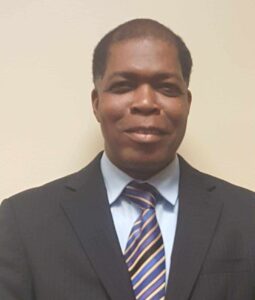
Ordained Christian Minister Since 1988
Pastor David Small has served in Christian ministry for 38 years, preaching, teaching, and encouraging believers to grow in their relationship with God. His experience includes pastoral leadership, evangelism, biblical teaching, and helping individuals and families navigate life’s challenges through faith and prayer.