
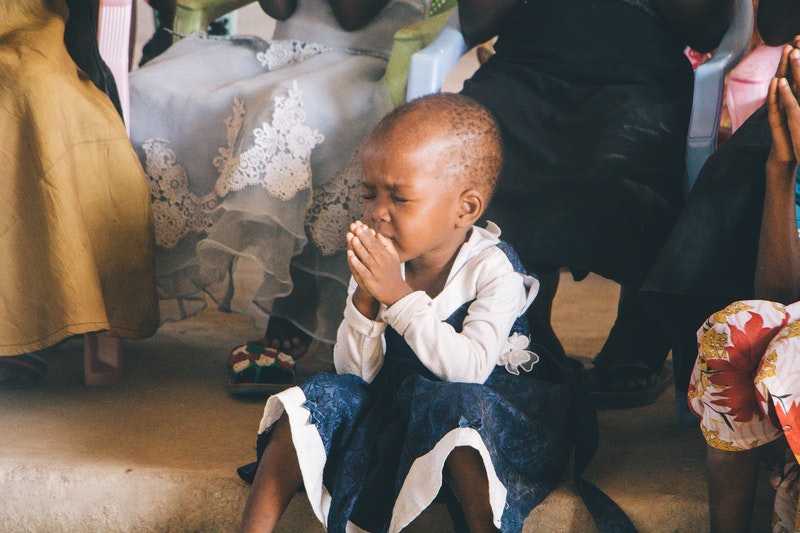
Have you ever finished praying and wondered whether you said the right words—or whether God heard you at all?
To pray with power and authority, come to God through Jesus, let Scripture guide your requests, depend on the Holy Spirit, and submit to God’s will. Confidence in prayer grows from trust in God, not from volume, perfect wording, or a formula that guarantees a particular result.
This guide brings together ten biblical principles with exact King James Version Scripture, an explanation, a practical step, and a short prayer for each one. Begin with the area where you need encouragement today.
Pastor David Small has served in Christian ministry since his ordination in 1988. This guide is written to help us move from uncertainty toward an honest, consistent prayer life.
Start here: Read one passage, name your need, pray in your own words, and choose one faithful action. You can work through one principle each day.
What does praying with power and authority mean?
In Christian prayer, power belongs to God. We approach him through Jesus with confidence in his character and promises. Praying in Jesus’ name expresses dependence on him and a desire to honor his purposes; it is more than a phrase added to the end of a request.
Spiritual authority is exercised under God’s authority. It does not give us control over God, other people, or every outcome. We can pray boldly and still trust his wisdom when circumstances remain difficult.
If you are new to prayer, begin with the prayer pattern Jesus taught. If you are discouraged, remember that weakness does not disqualify you from coming to God.
10 biblical principles for praying with power and authority.
1. Come to God through Jesus with confidence.
Let us therefore come boldly unto the throne of grace, that we may obtain mercy, and find grace to help in time of need.
Hebrews places this invitation after its teaching about Jesus, our compassionate high priest. Our confidence rests in him, not in our ability to sound impressive. We can bring weakness, uncertainty, and need to God without pretending to have everything together.
Boldness means honest trust. It does not mean ordering God to follow our plans. If you feel ashamed of struggling, begin by asking for the mercy and help this passage offers.
Put it into practice: Name the need you have been avoiding bringing to God.
A short prayer: Lord Jesus, I come to you with my need. Help me receive your mercy and trust your grace today. Amen.
2. Let Scripture shape your requests.
If ye abide in me, and my words abide in you, ye shall ask what ye will, and it shall be done unto you.
Jesus connects this promise with abiding in him. Prayer grows from an ongoing relationship in which his words shape our desires. We should read a promise in its context rather than treat an isolated sentence as permission to demand anything we want.
For example, when praying about a disagreement, ask for patience, truthful speech, and a willingness to listen. Scripture can guide how we respond even before the circumstances change.
Put it into practice: Read John 15:1–10 and turn one lesson into a personal request.
A short prayer: Father, let your word shape my thoughts and desires. Teach me to ask for what honors you and helps others. Amen.
For a practical example, follow our guide to praying with Scripture.
3. Seek God’s will, not control over outcomes.
And this is the confidence that we have in him, that, if we ask any thing according to his will, he heareth us:
The confidence in this verse includes a clear qualification: asking according to God’s will. We can make specific requests while leaving the timing and outcome in his hands. Surrender is part of faith, not the opposite of it.
You may ask for a job, healing, or reconciliation and still admit that you cannot see the whole situation. A delayed answer does not by itself prove that you lack faith or that God has rejected you.
Put it into practice: Write your request, then name one outcome you need to entrust to God.
A short prayer: Lord, you know what I hope for. Guide me according to your will, and help me trust you when the answer differs from my expectations. Amen.
4. Make room for sincere, private prayer.
But thou, when thou prayest, enter into thy closet, and when thou hast shut thy door, pray to thy Father which is in secret; and thy Father which seeth in secret shall reward thee openly.
In Matthew 6, Jesus contrasts sincere prayer with religious performance. A quiet place can help us give God our attention, but a special room or physical altar is not a requirement for being heard.
Choose a realistic setting: a chair before the household wakes, a quiet break, or a few minutes beside your bed. If kneeling is uncomfortable, sit. The purpose is honest communion with God, not achieving a particular posture.
Put it into practice: Set aside five undistracted minutes today and put your phone out of reach.
A short prayer: Father, help me make room for you. Quiet my distractions and teach me to pray sincerely, even when no one else sees. Amen.
5. Ask for wisdom and take a faithful next step.
If any of you lack wisdom, let him ask of God, that giveth to all men liberally, and upbraideth not; and it shall be given him.
James encourages believers facing trials to ask God for wisdom. We do not have to understand every cause of a problem before we can pray about it. We can ask for discernment about what to do next.
Prayer and responsible action belong together. A person seeking employment can pray and submit applications. Someone facing a relationship problem can pray and seek wise counsel. We should not assume every difficulty has the same spiritual cause.
Put it into practice: Identify one decision, ask for wisdom, and seek trustworthy counsel where needed.
A short prayer: God of wisdom, help me see my next faithful step. Give me humility to learn and courage to act with integrity. Amen.
6. Depend on the Holy Spirit when words fail.
Likewise the Spirit also helpeth our infirmities: for we know not what we should pray for as we ought: but the Spirit itself maketh intercession for us with groanings which cannot be uttered.
Romans 8 speaks of suffering, hope, and the Spirit’s help in our weakness. This verse offers comfort when we cannot find the right words. Prayer is not an examination in eloquence.
You may be grieving, exhausted, or unsure what to ask. Tell God that honestly. A quiet moment or a simple request for help can be a meaningful beginning. You do not need to imitate another person’s voice or emotional intensity.
Put it into practice: Bring one feeling to God without editing it into religious language.
A short prayer: Holy Spirit, help me in my weakness. Guide my prayers when I do not know what to say, and strengthen me to follow God today. Amen.
7. Confess sin and receive God’s forgiveness.
If we confess our sins, he is faithful and just to forgive us our sins, and to cleanse us from all unrighteousness.
Confession is honest agreement with God about what needs to change. This promise directs our attention to his faithfulness and forgiveness. We do not earn access to him by pretending to be flawless.
Be specific about a wrong you recognize, and consider what repentance requires: an apology, restitution, a changed habit, or accountability. Avoid assuming that every unanswered prayer is punishment for an unknown sin.
Put it into practice: Confess one specific wrong and identify a safe, responsible step toward making it right.
A short prayer: Merciful Father, forgive my sin and cleanse my heart. Help me turn from what is wrong and walk in your truth. Amen.
8. Resist evil from a position of submission to God.
Submit yourselves therefore to God. Resist the devil, and he will flee from you.
Notice the order: submission to God comes before resistance to the devil. Christian spiritual authority is exercised under God’s authority. It is not permission to control other people or label everyone who disagrees with us an enemy.
Resistance may involve refusing temptation, rejecting a lie, setting a healthy boundary, or asking a trusted believer to pray with us. Keep your attention on God’s truth rather than becoming consumed with fear of spiritual opposition.
Put it into practice: Name one temptation or false belief and choose a response consistent with Scripture.
A short prayer: Lord, I submit my life to you. Help me resist evil, stand in truth, and respond to others with love and wisdom. Amen.
9. Include thanksgiving and worship.
Enter into his gates with thanksgiving, and into his courts with praise: be thankful unto him, and bless his name.
Psalm 100 invites God’s people to worship with gratitude. Thanksgiving helps us remember his goodness while we bring our needs. It is not a payment that obligates God to give us a particular outcome.
We can be thankful and sorrowful at the same time. Gratitude does not require denying pain. Begin with something true and specific, such as the support of a friend or strength to face today’s responsibilities.
Put it into practice: Name three gifts you can thank God for without minimizing your present difficulty.
A short prayer: Gracious God, thank you for your care. Help me remember your goodness and worship you honestly in this season. Amen.
Keep a record of your requests and gratitude in our free printable prayer journal.
10. Keep praying and stay connected to others.
Pray without ceasing.
Paul’s brief instruction encourages an ongoing life of prayer. It does not require speaking every moment or neglecting sleep, work, family, or necessary care. Return to God throughout the day with short, sincere prayers.
Personal prayer and shared prayer support each other. Asking a pastor, friend, or church community to pray with you is not failure. When waiting is difficult, let others help you remain steady instead of carrying everything alone.
Put it into practice: Choose a morning or evening prayer time and ask one trusted person to pray with you this week.
A short prayer: Faithful Lord, sustain me while I wait. Help me keep praying, welcome support, and remain faithful in the responsibilities before me. Amen.
A prayer to save and share.
Lord Jesus, help me pray with faith, humility, and confidence in you. Shape my desires by your word. Give me wisdom for my next step, courage to resist evil, and patience while I wait. Let my prayers and actions honor you. Amen.
Share this prayer on WhatsApp · Share this guide on Facebook
Select and copy this prayer
A simple five-minute prayer practice.
- Pause: Settle your attention and come honestly before God.
- Read: Choose one of the KJV passages above and consider its context.
- Ask: Name your need, confess what needs to change, and ask for wisdom.
- Give thanks: Remember one specific expression of God’s care.
- Respond: Choose one faithful action and entrust the outcome to him.
This is a starting point, not a required formula. For help maintaining the habit, use Step 1 of our prayer guide.
Keep growing in prayer.
Choose one principle to practice today rather than trying to master all ten at once. Read the passage, make the prayer your own, and return tomorrow. Growth often looks like steady faithfulness in ordinary moments.
Continue with 7 Powerful Days of Prayer for Breakthrough and Favor, or read how to keep praying through hard seasons. If you would like someone to stand with you in prayer, send a prayer request.
Frequently asked questions.
Do I need to pray loudly to pray with authority?
No. Confidence in God is not measured by volume. Matthew 6:6 emphasizes sincere prayer before the Father rather than religious performance. You can pray aloud or quietly.
Does praying in Jesus’ name guarantee the answer I want?
No. Praying in his name involves honoring his character and purposes. First John 5:14 connects confidence in prayer with asking according to God’s will. We can bring specific requests while trusting his judgment.
Do I need a prayer altar or a special room?
No special furniture or room is required. A regular, quiet place can help you concentrate. Choose a setting and posture that allow you to pray sincerely and comfortably.
What if I do not know what to say?
Start by telling God how you feel and what you need. Romans 8:26 speaks of the Spirit’s help in our weakness. You can also use one of the short prayers above as a starting point.
Can I ask others to pray for me?
Yes. Praying personally and receiving support from other believers belong together. Ask a trusted pastor, friend, or church member to pray with you, and continue your own conversation with God.
Why has my situation not changed even though I keep praying?
There is no single explanation for every unanswered request. Avoid concluding that you have failed spiritually. Continue seeking God, examine your request in the light of Scripture, seek wise support, and take the practical steps available to you.
All Scripture quotations in this guide are from the King James Version (KJV). The short prayers and explanations are original devotional writing.
About the Author

Ordained Christian Minister Since 1988
Pastor David Small has served in Christian ministry for 38 years, preaching, teaching, and encouraging believers to grow in their relationship with God. His experience includes pastoral leadership, evangelism, biblical teaching, and helping individuals and families navigate life’s challenges through faith and prayer.